AquaSonic Black Series vs Philips Sonicare: Which Is Better? (November 2026)
The Philips Sonicare ProtectiveClean 4100 wins for most people because its pressure sensor and brush head reminder make gentle, consistent brushing easier. Pick the AquaSonic Black Series instead if you want four modes, eight brush heads and a travel case in one box.
On this page (10 sections)
- Philips Sonicare vs AquaSonic: the quick verdict
- AquaSonic Black Series vs Philips Sonicare side by side
- Cleaning power and brushing modes
- The pressure sensor question
- Battery life and charging
- Brush heads, replacements and running costs
- Build, water resistance and daily handling
- Who should buy the Philips Sonicare?
- Who should buy the AquaSonic Black Series?
- The verdict: which brush should you buy?
The Philips Sonicare ProtectiveClean 4100 wins for most people because its pressure sensor and brush head reminder make gentle, consistent brushing easier. Pick the AquaSonic Black Series instead if you want four modes, eight brush heads and a travel case in one box.
That split is the whole AquaSonic Black Series vs Philips Sonicare question in one line. Philips puts its effort into coaching: pulse alerts, timers and replacement reminders.
Aquasonic puts its effort into what's in the box.
Both brushes clean with sonic vibration. The gap between them shows up in the extras and in how much the handle helps you brush the same way every day.
 Best for gentle everyday brushing
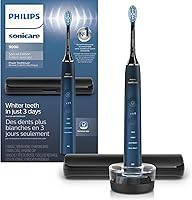
Philips Sonicare ProtectiveClean 4100
 Best for gum-focused brushing
PHILIPS Phillips Sonicare Sonicare ProtectiveClean Removes up
Philips Sonicare vs AquaSonic: the quick verdict
Go with the Philips ProtectiveClean 4100 for the calmer, better coached daily brush. Its pressure sensor pulses when you push too hard, and the handle tells you when to change the head.
The ProtectiveClean 4100 runs up to 62,000 brush movements per minute and removes up to 7x more plaque than a manual brush, according to Philips. A two-minute timer with QuadPacer splits the mouth into four sections so you spend even time in each.
The AquaSonic Black Series runs a 40,000 vibrations-per-minute motor with four modes, including settings for whitening and gum health. It arrives with 8 DuPont heads and a hard-shell travel case.
Neither brush wins on every line. One is a brushing coach.
The other is a starter kit that covers replacements for about 2.5 years.
If your main worry is brushing too hard and wearing down gums, the Philips answer is clear. If you want the most value in a single order and travel often, the AquaSonic box is hard to beat.
AquaSonic Black Series vs Philips Sonicare side by side
The table shows the trade-off plainly: Philips brings coaching features, Aquasonic brings accessories. Read it by what you'd actually use each week.
| Feature | Philips ProtectiveClean 4100 | Philips 3 Series | AquaSonic Black Series | Aquasonic Duo Series PRO UV |
|---|---|---|---|---|
| Motor | Up to 62,000 movements/min | Sonic vibration | 40,000 vibrations/min | 50,000 vibrations/min |
| Modes | 1 cleaning mode | 3 intensity settings | 4 modes | 5 modes |
| Pressure sensor | Yes, with pulse alert | Not named | No | No |
| Brush head reminder | Yes | Not named | No | No |
| Timer | 2 min with QuadPacer | Smart timer | Smart vibration timer | Smart timer |
| Battery per charge | 14 days | 4 days | About 4 weeks | Rechargeable lithium-ion |
| Heads included | 1 | 1 | 8 DuPont heads | 10 ProFlex heads |
| Travel case | Not named | Not named | Hard-shell case | 2 premium cases |
| Charging | Standard charger | 110-220 V charger | Wireless charging base | Dual inductive UV base |
The first column is the brush we'd hand most readers. The fourth column is for two people sharing one sink.
The middle two split the difference in different directions.
Where the two brushes differ most
The biggest difference isn't the motor figure. It's whether the handle reacts to your brushing.
Philips built the 4100 around feedback; Aquasonic built the Black Series around modes and contents.
That matters because a pressure sensor changes behavior. You feel the pulse and ease off, which is the habit dentists encourage you to keep.
Four modes give you choices, but most people settle on one and stay there.
Cleaning power and brushing modes
Both brushes clean well enough for daily use; Philips adds pressure feedback while Aquasonic adds modes. Choose the feedback if your gums are sensitive.
Choose the modes if you want whitening and gum settings in one handle.
Philips says the ProtectiveClean 4100 removes up to 7x more plaque than a manual toothbrush. Its single cleaning mode is tuned for everyday use, and the pressure sensor does the adjusting for you.
The 3 Series version claims up to 6x more plaque along the gumline and up to 100% better gum health than a manual brush. Its three intensity settings let you dial the power down when your mouth feels sore.
Aquasonic's Black Series offers four modes, including one for whitening and polishing and one for gum health. Its ADA acceptance covers plaque removal and helping reduce gingivitis.
The Duo Series PRO UV pushes to 50,000 vibrations per minute with five modes.
Do more modes make a better brush?
Not on their own. Modes are only useful if you'll switch between them, and most people run the same setting each day.
The Philips approach bets that automatic feedback beats manual mode changes.
A whitening mode can help with surface stains over time, but it's not a substitute for a dentist's whitening. The gum care mode on the Aquasonic is a reasonable option for people who like a softer cycle.
The honest comparison: Philips gives you fewer choices and more guidance. Aquasonic gives you more choices and leaves the judgment to you.
The pressure sensor question
The Philips ProtectiveClean 4100 has a pressure sensor; the AquaSonic Black Series does not. For anyone who brushes hard or has receding gums, that one feature decides the purchase.
Philips describes the sensor this way: it gently pulses to alert you when you're brushing too hard. You don't have to watch a light or count seconds.
The handle tells you through the grip.
Overbrushing is a common habit. People who press hard often don't notice until a hygienist points out worn enamel or gum recession.
A pulse alert interrupts that habit in the moment.
The Aquasonic handles here don't name a pressure sensor in their features. That doesn't make them bad brushes.
It means the responsibility for pressure stays with your hand.
When the sensor matters most
The sensor earns its keep for three groups: people with sensitive gums, people who've been told they brush too hard, and anyone switching from a manual brush who presses out of habit.
If none of those describe you and you already brush gently, the sensor is nice rather than essential. In that case the Aquasonic bundle becomes more attractive.
If your Philips Sonicare won't turn off, a stuck button is usually the cause. That's a separate repair question from the pressure sensor, but both come up as owners get used to the handle.
Battery life and charging
Aquasonic wins on battery life; Philips wins on charger compatibility for travel. The 4100 lasts about two weeks per charge.
The Black Series lasts about four weeks of normal brushing.
The Aquasonic Black Series runs about 4 full weeks on a charge at two minutes twice a day. It charges wirelessly on its base, so you set the handle down rather than plugging a cable into it.
That's convenient at home.
The Philips ProtectiveClean 4100 lists a 14-day battery life and a battery indicator light that shows when it's time to recharge. Two weeks covers most trips, but a long holiday means packing the charger.
The 3 Series version drops to a 4-day battery life. It does include a 110-220 V charger, which helps if you travel between countries with different outlets.
Which brush suits travel better?
The Aquasonic Black Series is the easier travel brush. It holds a charge for about a month, and the hard-shell case protects the handle and two spare heads in a bag.
The Philips 4100 still works for weekends and short trips. For longer travel, charge it before you leave and bring the charger if the trip runs past two weeks.
If you want a closer look at Philips' own travel-friendly options, our Sonicare 5300 review covers a step-up model with a different balance of features.
Brush heads, replacements and running costs
The AquaSonic Black Series includes 8 DuPont heads, while the Philips brushes here include 1 each. If you want to skip head shopping for a couple of years, that's a real advantage.
Aquasonic says each DuPont head lasts 3 to 4 months, so 8 heads cover about 2.5 years of brushing. That's a big part of why the Black Series feels like a complete kit rather than a starter handle.
The Philips ProtectiveClean 4100 includes one brush head. It also has a brush head replacement reminder, so the handle tells you when to swap.
The reminder is genuinely useful, but you still buy the heads.
Replacement heads vary in price by type and pack size, so the long-run cost depends on what you buy. The included eight heads mean Aquasonic buyers face that decision later, not at checkout.
The reminder versus the bundle
A replacement reminder removes one chore: remembering when the head is due. An eight-head bundle removes a different chore: buying heads for a while.
If you like set-and-forget, the reminder plus a subscription for heads works well. If you'd rather not think about it, the Aquasonic box covers you.
Our Aquasonic Black Series review goes deeper on how the bundle holds up in daily use and who it suits best.
Build, water resistance and daily handling
Both brands build waterproof handles you can use in the shower. Philips rates its handles for bathroom use.
Aquasonic gives the Black Series and Duo Series PRO UV an IPX7 waterproof rating.
IPX7 means the handle can survive a brief dunk, not that you should store it underwater. It's the reason both brushes are safe to use at the sink with wet hands.
The Aquasonic Black Series has a slim black satin handle that's light in the hand. Its four modes switch with a button on the handle, and the smart timer vibrates to signal the end of each section.
Philips handles are shaped around the grip and the pressure feedback. The 4100's pulse alert works through that grip, so the handle feels different in use, not just in the specs.
Which is easier to live with?
The Philips 4100 is the simpler brush day to day: one mode, a timer and a pulse when you press too hard. Fewer choices mean less fiddling at the sink.
The Aquasonic asks a little more of you. You pick a mode and remember what each one does.
In return, you get a whitening cycle and a gum cycle when you want them.
Neither is complicated. The question is whether you want the brush to decide for you or hand you the controls.
Who should buy the Philips Sonicare?
Buy the Philips ProtectiveClean 4100 if you press hard, have sensitive gums or want the brush to guide your technique. It's the safer first electric brush for most adults.
The pulse alert is the reason. It corrects the habit that causes the most avoidable damage in daily brushing, and it does so without you watching a light.
The 14-day battery covers normal weeks and short trips. The QuadPacer keeps you honest about the two-minute recommendation.
The replacement reminder means you won't run a frayed head for months.
If you want a softer introduction with three intensity settings, the 3 Series version is the alternative. It trades battery life for the ability to dial power down.
If you'd like to see how Philips' higher-end models compare on features, the Philips Sonicare DiamondClean 9000 review covers the premium end of the range.
Who should buy the AquaSonic Black Series?
Buy the AquaSonic Black Series if you want four modes, eight heads and a travel case in one order. It's the better fit for frequent travelers and people who like options.
The four-week battery and hard-shell case make it a natural travel companion. The eight DuPont heads mean you won't shop for replacements for about 2.5 years.
Its ADA acceptance covers plaque removal and helping reduce gingivitis. The whitening mode adds a polishing cycle that the single-mode Philips brushes don't offer.
Skip it if you know you brush too hard. Without a pressure sensor, the handle won't warn you, and that's the one habit the Black Series can't correct for you.
The Aquasonic Duo Series PRO UV is the better Aquasonic pick for two people. Its dual base charges both handles and runs UV cycles on the heads.
The verdict: which brush should you buy?
For most readers, the Philips Sonicare ProtectiveClean 4100 is the brush to buy. The pressure sensor and head reminder make it easier to brush gently and replace heads on time, and those habits matter more than an extra mode.
Choose the AquaSonic Black Series if value and travel drive your decision. Eight heads and a hard case in one box is a lot of brushing time for the money, and the four-week battery suits life on the move.
The Aquasonic Black Series vs Philips Sonicare call comes down to this: Philips sells you better habits, Aquasonic sells you more stuff. Buy the Philips for the sensor.
Buy the Aquasonic for the bundle and the case.
If two people share your sink, look at the Duo Series PRO UV instead of either single-handle brush. It solves a different problem, and it does so with one base and two handles.
Whichever you pick, replace the head on schedule and keep the pressure light or your own hand in check. That's where most of the benefit comes from, not from the mode count.
Frequently asked questions
Is the AquaSonic Black Series better than a Philips Sonicare?
For most people, no: the Philips Sonicare ProtectiveClean 4100's pressure sensor and head reminder make gentle brushing easier to repeat. The AquaSonic Black Series is the better buy when you want four modes, eight heads and a travel case without buying extras.
Does the AquaSonic Black Series have a pressure sensor?
No. Its features cover the 40,000 VPM motor, four modes, smart timer, eight heads and travel case, with no pressure sensor named.
Philips puts one on the ProtectiveClean 4100, where the handle pulses when you press too hard.
The 3 Series data names no pressure sensor.
How long does each toothbrush battery last?
Philips rates the ProtectiveClean 4100 at 14 days per charge and the 3 Series at 4 days. Aquasonic rates the Black Series at about 4 weeks of two-minute brushing twice a day.
Shorter battery life matters most if you travel without the charger.
Which toothbrush includes more brush heads?
The AquaSonic Black Series includes 8 DuPont heads and a hard travel case. The two Philips brushes here ship with 1 head each.
If replacement cost is your main concern, the AquaSonic box covers far more brushing time before you buy heads.
Do these brushes work overseas?
The Philips 3 Series ProtectiveClean includes a 110-220 V charger. The ProtectiveClean 4100 lists a 110-220 V voltage range.
The AquaSonic Black Series charges wirelessly from its base.
Bring the plug adapter you need before a trip.