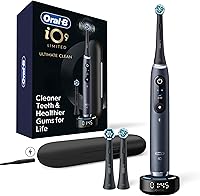
How to Store an Electric Toothbrush in the Bathroom
For how to store an electric toothbrush in the bathroom, stand it upright in an open, dry spot with the head uncovered and separate from other brushes. Keep it away from splashes, and follow the handle maker's directions for charging and cleaning.
On this page (8 sections)
- How should you store an electric toothbrush in the bathroom?
- How do you choose a bathroom holder for a small space?
- Should an electric toothbrush stay on its charger?
- How do you keep an electric toothbrush clean between uses?
- How should you store an electric toothbrush when traveling?
- Can you store an electric toothbrush in a closed cabinet?
- What common toothbrush storage mistakes should you avoid?
- What is the simplest way to store an electric toothbrush in a bathroom?
For how to store an electric toothbrush in the bathroom, stand it upright in an open, dry spot, with the brush head exposed to air and separated from other brush heads. Keep it away from sink splashes, follow the handle maker's charging and cleaning directions, and choose a holder that is easy to keep clean.
A holder helps prevent a brush from lying on a wet counter or tipping into the sink. If counter space is limited, a wall-mounted option can organize several brushes; for travel, a vented case can protect a dry brush in a bag.
How should you store an electric toothbrush in the bathroom?
Stand the brush upright with its head uncovered and room around it. Give each brush its own space, and place the holder where water is unlikely to pool or splash.
Choose a holder based on the number and shape of handles you need to store. A simple stand works when the counter is dry and spacious.
A wall holder can clear counter space. A covered case is better suited to packing a dry brush for travel.
The Bitvae Wall Toothbrush Holder has two slots, a removable tray, and a wall bracket. The tray can be removed and rinsed, and the unit runs an automatic cleaning and ventilation cycle.
Bitvae's holder fits sonic, electric, and manual brushes. Its slots are sized for different handle shapes, so check where your brush belongs before placing it.
This is a practical choice for someone who wants two brushes off the counter and values a removable part for cleaning.
Skip it if you need storage for more than two brushes, want a toothpaste dispenser, or prefer a countertop holder that needs no wall installation. Its battery charges through a Type-C port, so plan to recharge it when needed.
Keep the brush head uncovered while it dries. A cap or closed case can protect a dry brush while traveling, but it shouldn't be the everyday place for a wet brush.
How do you choose a bathroom holder for a small space?
Pick a holder that fits your handles and frees the space you need. Count the brushes first, then consider whether you also want cups or a toothpaste dispenser.
The iHave Wall Toothbrush Holder combines a four-slot organizer, two cups, and a toothpaste dispenser. Its detachable parts can be removed for cleaning, and it can be mounted with adhesive tape or with the included nails and pre-drilled holes.
This setup suits a shared bathroom where several people need a place for brushes and cups. It accommodates electric, sonic, and manual brushes, as well as razors, but check that your handle fits the holder before installing it.
Skip this option if you only need a spot for one brush or don't want a larger wall unit. It also adds dispenser and cup parts to clean, so a simpler holder may suit a low-maintenance routine better.
Before mounting any wall holder, choose a location within reach that stays clear of direct splashes. Follow the included installation directions for the surface and hardware, and make sure the mounted unit doesn't interfere with opening cabinet doors or using the sink.
Keep charging equipment on a dry, stable surface. If your handle charges on a base, follow the maker's directions for where to put the base and how to manage its cable.
Should an electric toothbrush stay on its charger?
Use the charging routine recommended for your specific handle. Charging styles vary, so check the manual before leaving a brush on a powered base or unplugging it between uses.
Set the base where water won't collect around it, and wipe moisture from the handle before charging. Don't wrap a wet handle or cord around the charger, and keep cables clear of the sink.
If you need model-specific guidance, read our guide to how to charge an Oral-B iO toothbrush. For Philips Sonicare owners, how long a Sonicare charge lasts covers battery life.
How do you keep an electric toothbrush clean between uses?
Rinse the brush head and handle after brushing, then let them dry upright. Follow the handle maker's cleaning directions, especially for any charging or electronic parts.
Don't share brush heads or let bristles touch another person's brush. Clean the holder when you see toothpaste residue, and dry removable parts before putting them back together.
An enclosed holder can make a shared bathroom feel tidier, but it still needs routine care. A UV feature does not replace rinsing the brush head, cleaning the holder, or following the brush maker's care instructions.
How should you store an electric toothbrush when traveling?
Pack a dry brush in a case that fits its handle and lets air move inside. A tight, sealed case can hold moisture around a damp head, so let the brush dry before packing it.
The SIEANE Vented Toothbrush Case has bottom ventilation holes and a rotating lock. Its inner space is 10.1 inches long and 1.57 inches in diameter, and it fits most standard straight-handle electric toothbrushes without removing the brush head.
This case suits travelers who want to protect a standard straight handle in luggage and reduce the chance of the power button being pressed. Skip it if your brush is compact, has an angled neck, has an irregular shape, or is manual.
Measure your handle and compare it with the case's inner dimensions before buying.
For more options, see our guide to electric toothbrushes with a travel case. If you are choosing a handle for travel, compare rechargeable vs battery-powered electric toothbrushes to find a power style that fits your routine.
Can you store an electric toothbrush in a closed cabinet?
A cabinet can work if it stays dry and the brush can dry there. Leave enough space around the head, and keep the door open until the brush is dry if the cabinet feels humid.
Use a holder to keep the brush upright rather than laying it on a shelf. Don't store it beside toiletries or cleaning products that could leak onto it.
Check for condensation or lingering dampness. If the cabinet stays humid, move the brush to a more open spot.
What common toothbrush storage mistakes should you avoid?
Avoid putting a wet brush in a closed case, letting brush heads touch, or leaving the handle beside standing water. These habits can keep the brush damp, crowd the bristles, or expose charging equipment to splashes.
Don't choose a holder based on appearance alone. Check that the handle fits, that the brush stands securely, and that removable parts or slots are simple to clean.
Don't assume a UV feature makes routine care unnecessary. Rinse the brush as directed and clean the holder.
Let the head dry between uses. A more complicated holder only helps if its extra slots or dispenser match your daily needs.
What is the simplest way to store an electric toothbrush in a bathroom?
Choose open counter storage for one or two brushes, a wall organizer for a shared or crowded bathroom, and a vented case for travel. Whichever you choose, keep the brush upright, let it dry, and leave space between brush heads.
The Bitvae holder suits a two-brush setup with a removable tray. The iHave unit fits a shared bathroom that needs four slots, cups, and a dispenser.
The SIEANE case is for a dry, compatible brush going into a bag.
For charging help and more storage advice, browse the charging and travel care guide.
Frequently asked questions
Should I cover my electric toothbrush after brushing?
Let the brush head air-dry before covering it. A cover can protect a dry brush from dust while traveling, but a damp head in a closed space can stay wet longer.
At home, store the brush upright in an open area and clean any holder or cover as its care directions allow.
Can I keep my electric toothbrush on the bathroom counter?
Yes, if the spot stays dry, the toothbrush can stand upright, and it isn't crowded against other brush heads. Move it away from splashes and keep the charging base or cable out of standing water.
A wall holder can free counter space, but check that it suits your handle.
How far should a toothbrush be from the toilet?
Keep your toothbrush as far from the toilet as your bathroom layout allows, and close the lid before flushing if the toilet has one. Store the brush upright with its head exposed to air, and wash your hands before handling it.
No single distance guarantees a germ-free brush.
Is a UV toothbrush holder necessary?
A UV holder is optional. Store and clean your brush and holder according to their care directions, and replace a worn brush head as recommended by its maker.
A UV feature does not remove the need for routine cleaning.