How Much Does an Electric Toothbrush Cost?
An electric toothbrush can cost from a basic budget amount to a premium amount, depending on the brush type, included heads, charging system, and features. The best value is the model with the functions you will use, not simply the most expensive handle.
On this page (9 sections)
- How much does an electric toothbrush cost by type?
- What changes the cost of an electric toothbrush?
- Are rechargeable electric toothbrushes worth the higher starting cost?
- Which features are worth paying for?
- Which electric toothbrush options give useful value?
- Does the number of included brush heads affect total cost?
- Is a premium electric toothbrush cheaper over time?
- How should you compare electric toothbrush costs before buying?
- So, how much does an electric toothbrush cost for your needs?
An electric toothbrush can cost from a basic budget amount to a premium amount, depending on the brush type, included heads, charging system, and features. The best value is the model with the functions you will use, not simply the most expensive handle.
The cost continues after purchase. Brush heads, batteries, replacement chargers, travel cases, and the number of heads in the box all affect what you spend over time.
How much does an electric toothbrush cost by type?
Basic rechargeable, sonic, rotating, and feature-rich brushes sit in different spending tiers. The handle style and included accessories usually explain more of the cost than the color or shape.
A basic rechargeable toothbrush focuses on powered movement, a brush head, and charging. It suits readers who want to move away from a manual brush without paying for several modes.
Sonic brushes use fast vibrations, while rotating models use a round head that moves around each tooth. Neither style is automatically right for everyone, so choose the motion that feels easier to use consistently.
Premium models may add several modes, wireless charging, more replacement heads, travel storage, or longer battery claims. Those extras help only when they fit your routine.
For a wider value comparison, our guide to an electric toothbrush under 100 keeps the budget in view.
What changes the cost of an electric toothbrush?
The largest cost differences usually come from brush heads, battery and charging design, timers, pressure sensors, modes, and included accessories. Look at the complete package instead of judging the handle alone.
A brush with one head may cost less than a set with several heads. Extra heads add value only if their shape suits your routine and you will use them before they wear out.
Charging also affects convenience. A standard base keeps the setup simple, while wireless charging or a USB charger may suit a small bathroom, desk, or travel bag.
Timers and pressure sensors are practical features. The Oral-B Pro 1000 has a quadrant timer and gum pressure control, while the Sonicare 4100 uses SmarTimer, QuadPacer, and a pressure sensor.
The Aquasonic Black Series includes 4 modes, wireless charging, 8 brush heads, and a travel case. That package has a different value calculation from a handle with one head.
Are rechargeable electric toothbrushes worth the higher starting cost?
Rechargeable brushes make the most sense when you want a repeatable routine without buying disposable batteries. Their value depends on how long you keep the handle and what replacement parts cost.
The Oral-B Pro 1000 uses a rechargeable battery and has an LED charge indicator. The Sonicare 4100 includes a USB charger and describes up to 14 days of regular brushing on a full charge.
The Aquasonic Black Series uses a lithium-ion battery and wireless charging. Its product information describes up to 4 full weeks on a charge when used for 2 minutes twice daily.
A rechargeable model still needs access to its charger. If you travel often, a longer stated battery period or a travel case may matter more than another cleaning mode.
Choose rechargeable if you want fewer battery purchases and can keep the charger available. Choose the simplest setup if you prefer a lower-complexity routine.
Which features are worth paying for?
Timers and pressure control are the easiest features to justify because they guide brushing technique. Extra modes and charging features are worth paying for when they solve a real problem.
A timer can divide your mouth into four 30-second zones. The Oral-B Pro 1000 alerts you every 30 seconds, while the Sonicare 4100 combines a 2-minute SmarTimer with QuadPacer.
Pressure control helps readers who press too firmly. The Oral-B Pro 1000 stops brush pulsations when pressure is too high.
The Sonicare 4100 gives a slight pulse as a reminder to ease pressure.
If you want to compare this feature directly, see our guide to an electric toothbrush with a pressure sensor.
Multiple modes are more personal. A whitening or polishing mode can help if it matches your goal, but unused modes add cost without daily value.
Which electric toothbrush options give useful value?
The best choices depend on what is included and which routine the brush supports. These three models cover a rotating brush, a guided sonic option, and a larger feature package.
Oral-B Pro 1000 for a simple guided routine
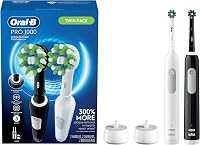
The Oral-B Pro 1000 suits readers who want a rechargeable rotating brush with pressure control, a built-in timer, and 3 cleaning modes. Its round head is designed to reach around individual teeth.
Its LED charge indicator shows when the handle needs charging. Oral-B also offers deep-clean, gentle-clean, and whitening heads as separate choices.
Pick it when pressure feedback and simple controls matter more than wireless charging or a large supply of included heads.
Sonicare 4100 for gentle timing support
The Sonicare 4100 fits readers who want a sonic brush with pressure feedback and routine guides. Its Advanced Sonic Technology pulses fluid between teeth and along the gumline, while EasyStart increases power gradually over the first 14 uses.
It includes a C2 Optimal Plaque head and a USB charger. The replacement reminder tracks brushing frequency and pressure, then signals when the head needs changing.
Choose it when gradual power, section timing, and head reminders matter more than several cleaning modes.
Aquasonic Black Series for a larger package
The Aquasonic Black Series suits readers who want 8 brush heads and a travel case. It has 4 modes, a smart vibration timer, wireless charging, and a waterproof handle design.
Its heads are described as lasting 3–4 months each. The case has space for 2 brush heads, which helps during trips.
Pick it when wireless charging, multiple modes, travel storage, and included heads matter more than a minimal setup.
Does the number of included brush heads affect total cost?
Yes. Included heads can change the value of an electric toothbrush because they are recurring supplies.
Count how many heads you receive and how often they need replacement.
The Oral-B Pro 1000 supports several separately purchased head types, including deep clean, gentle clean, and whitening options. That gives flexibility, but head choice becomes part of the routine cost.
The Sonicare 4100 includes 1 C2 Optimal Plaque head. Its replacement reminder helps you notice when that head needs changing.
The Aquasonic Black Series includes 8 DuPont-engineered heads. Its product information says each lasts 3–4 months, making the included supply a major part of the package value.
A large head count is not automatically better. It helps most when the heads fit your preferred cleaning style and can be stored cleanly.
Is a premium electric toothbrush cheaper over time?
A premium brush can offer better value when its included accessories replace purchases you would otherwise make. It is not automatically cheaper because the handle may cost more at the start.
Compare the full ownership pattern: handle, charger, included heads, replacement heads, travel storage, and battery convenience. A package with 8 heads and a case serves a different need from a basic brush with one head.
Battery life can also change charging convenience. The Sonicare 4100 describes up to 14 days of regular brushing, while the Aquasonic Black Series describes up to 4 full weeks under its stated routine.
Avoid treating a premium price as proof that a handle will last longer. Pay for the features that reduce real friction in your bathroom or travel routine.
If you are still deciding if the added cost makes sense, read is an electric toothbrush worth it for the wider decision.
How should you compare electric toothbrush costs before buying?
Compare the first purchase and the replacement routine together. A quick table shows which package matches your needs.
| Model | Brush style or setup | Included support | Best fit |
|---|---|---|---|
| Oral-B Pro 1000 | Round brush head with 3 modes | Pressure control, quadrant timer, charge indicator | Simple guided brushing |
| Sonicare 4100 | Sonic technology | Pressure sensor, EasyStart, SmarTimer, QuadPacer | Gentle routine support |
| Aquasonic Black Series | 4-mode smart brush | Wireless charging, 8 heads, travel case | Travel and included supplies |
Start with the feature you will use every day. If that is pressure feedback, the Oral-B Pro 1000 and Sonicare 4100 make more sense than paying for a larger accessory bundle.
Next, count the heads and charging parts. A travel case, USB charger, or wireless base may matter more than another cleaning mode if storage or travel is a concern.
Finally, consider who will use the brush. An older adult may value section timing and pressure guidance, so our guide to an electric toothbrush for seniors can help narrow the choice.
So, how much does an electric toothbrush cost for your needs?
How much does an electric toothbrush cost depends on the routine you are buying, not just the handle. Choose the Oral-B Pro 1000 for rotating cleaning with pressure control, the Sonicare 4100 for guided sonic brushing, or the Aquasonic Black Series for wireless charging, travel storage, and many included heads.
The lowest-cost option is not always the best value, and a premium package is not always necessary. Match the brush style, timer, pressure feature, charging method, and head supply to the way you actually brush.
Pay for daily help first, then pay for accessories only when they solve a real storage, travel, or replacement need.
Frequently asked questions
How often do electric toothbrush heads need replacing?
Most brush heads need regular replacement because bristles wear down with use. The Oral-B Pro 1000 advises replacing its head every 3 months or sooner when worn, while the Sonicare 4100 includes a replacement reminder and the Aquasonic Black Series says each included head lasts 3–4 months.
Is a rechargeable toothbrush cheaper than a battery toothbrush?
A rechargeable brush usually has a higher starting cost but avoids regular disposable batteries. Compare the handle, charger, replacement heads, and charging setup together, because the lowest purchase price does not always create the lowest long-term cost.
Do electric toothbrushes need special toothpaste?
No. An electric toothbrush uses ordinary toothpaste, although your dental professional can suggest a formula for your needs.
Use a small amount, let the brush do the movement, and replace the head when its bristles wear.
What is the most useful electric toothbrush feature?
A timer is one of the most useful features because it helps divide brushing into sections and reach a full brushing period. A pressure sensor is also valuable if you tend to press hard, while extra modes matter only when they fit your routine.