How to Dispose of an Old Electric Toothbrush
Don't put an old electric toothbrush in the trash. Remove and recycle its battery, wipe your brushing data from the app if the handle is connected, recycle the handle and brush heads, and keep the charger out of the household bin.
On this page (9 sections)
- Why can't you just throw an electric toothbrush away?
- How do you remove the battery from an electric toothbrush?
- What do you do with the brush heads?
- Can you recycle the handle and charger?
- Should you wipe your data before getting rid of it?
- Can you donate or pass on an old electric toothbrush?
- How do you store a replacement brush so it lasts?
- What about the packaging and old manual?
- How to dispose of an old electric toothbrush in order
Don't put an old electric toothbrush in the trash. Remove and recycle its battery, clear any app data, recycle the handle and heads, and keep the charger out of the household bin.
A powered brush is small e-waste, and most of its parts can be handled safely in a few steps.
The job takes about 15 minutes once you know where each piece goes. This guide walks through the battery, the handle, the heads, the charger and the app data, so you can dispose of an old electric toothbrush without sending a lithium cell to landfill.
Why can't you just throw an electric toothbrush away?
An electric toothbrush is e-waste, not household trash. The rechargeable battery inside the handle makes it hazardous in a normal bin.
Lithium-ion cells can short and catch fire in collection trucks and landfill equipment.
Many areas also ban batteries and electronics from general waste. The handle contains plastic, metal and a circuit board, so recycling recovers useful materials and keeps the cell out of the ground.
Check your local waste service first. Most towns list battery and e-waste drop-off points on their website.
Retail stores that sell toothbrushes often take small electronics too.
The stakes are higher than many people expect for something so small. A brush handle looks like a bit of bathroom plastic, but the cell inside holds stored energy long after the motor stops turning.
That is why the battery step comes before anything else in this guide.
How do you remove the battery from an electric toothbrush?
Open the handle as the maker's instructions describe and take out the battery. Most handles have a base cap or a sealed seam, and the manual shows the steps.
Use a small screwdriver only where the maker allows it.
- Run the brush until the battery is flat, which is safer for storage and transport.
- Find the base cap or seam and open it as the manual describes.
- Lift out the battery without bending or puncturing the cell.
- Put the battery in a separate bag or box for battery recycling.
- Set the empty handle aside for e-waste recycling.
Some handles have the battery sealed inside and can't be opened. In that case, don't force it.
Send the whole handle to an e-waste drop-off that accepts sealed batteries.
What if the battery won't come out?
Some sealed handles are built as one unit, and the maker never intended the cell to be removed. Prying at the seam can crack the housing or expose the cell, which is the opposite of safe.
If the manual has no removal steps, treat the handle as a single e-waste item and hand it in whole.
What do you do with the brush heads?
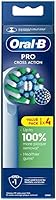
Recycle the heads through a dental brand program when you can. Oral-B and Philips Sonicare both run brush head recycling in some markets.
Check the brand's website for a mail-back envelope or a store drop-off point.
If no program is near you, snap the head apart where the design allows. Put the plastic parts in household recycling only if your area accepts small plastics.
Bristles are usually nylon and don't break down quickly.
Never put a used brush head in the compost. Toothpaste residue and nylon bristles don't belong there.
Store used heads in a bag until you recycle them, so they don't roll loose in the bin.
A fresh head matters for the next brush
If you're replacing the whole brush, the old heads go with the old handle. A new handle needs new heads that fit it.
Oral-B iO handles use the iO series heads.
Sonicare handles use Sonicare heads. The two brands don't swap, so match the head to the handle you're keeping.
Our guide to what type of electric toothbrush head is best covers size and bristle choices.
Can you recycle the handle and charger?
Yes, both go to e-waste recycling. The handle holds the motor, board and battery, and the charger is a small power adapter.
Neither belongs in the general waste bin.
Drop-off points include:
- Local household hazardous waste sites
- Electronics and battery bins at stores
- Curbside e-waste collection where your city offers it
- Manufacturer take-back programs
Wipe the handle and charger first. Remove the head and any silicone parts that come off easily.
Keep the charger's cable untangled so it doesn't snag in a collection bin.
The charger is easy to forget because it often sits in a drawer long after the brush has gone. Coil the cable loosely and keep the adapter with it, so the whole unit arrives as one item.
If you still use a charging base for a replacement brush, keep that one and recycle only the charger that belongs to the retired handle.
Should you wipe your data before getting rid of it?
Yes, if the handle connects to an app. Many smart handles sync brushing time and pressure data to a phone.
Before you let the brush go, reset it to factory settings in the app or on the handle.
Open the app's device settings and choose the remove or forget option. Delete the saved brushing history if the app keeps it.
Then log out of the account on a shared phone.
This step matters most when you pass the brush to someone else. For recycling, it's still worth doing so your habits don't stay tied to a device you no longer own.
If the app offers a full account deletion, use it when the brush was the only device on that account. Otherwise, unpair the handle and clear its saved data, then remove the app if you no longer need it.
Can you donate or pass on an old electric toothbrush?
Only if it's clean and still works. A brush that runs well but feels outdated can go to a family member.
Clean the handle, fit a fresh head and include the charger.
Most charities and shelters won't take used toothbrushes for hygiene reasons. Ask before you donate, and skip it if the handle has cracks or the battery won't hold a charge.
A brush with a dead battery isn't a donation candidate. Recycle it instead.
Don't pass on a brush that sparks, heats up or won't turn off. A brush that fails any of those checks should go straight to e-waste, even if it looks fine on the outside.
How do you store a replacement brush so it lasts?
Keep the new handle dry and upright between uses. A replacement brush that's stored well needs less frequent disposal.
Let it air-dry after brushing and keep it off a damp shelf.
Rinse the head, shake off the water and stand the handle upright. Don't seal a wet brush in a cabinet.
Our guide to how to store electric toothbrush in bathroom covers the details that keep the handle and seal working.
A brush that travels needs a case. An electric toothbrush with travel case protects the handle and head in a bag.
An electric toothbrush for seniors may suit a parent who wants a simpler handle with larger buttons.
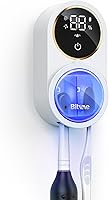
For a bathroom counter, a holder keeps the brush off its base and away from splashes. A simple stand works for most handles.
A travel case keeps the brush safe on the road. Pick one that fits your handle and charger.
What about the packaging and old manual?
Recycle the cardboard and paper, and keep the manual with the brush. The box and paper insert go in household recycling.
Fold the box flat first.
Keep the paper manual while you own the brush. It shows the battery removal steps you'll need when the brush retires.
If you've lost it, the maker's website usually has a digital copy.
Don't recycle the plastic blister tray unless your area takes it. Many recycling programs reject mixed plastic packaging.
Put it in the general waste if there's no film drop-off nearby.
The manual is the one piece of packaging worth holding on to. Store it with the charger or in the bathroom drawer, so the battery steps are easy to find on the day the brush stops holding a charge.
How to dispose of an old electric toothbrush in order
For anyone asking how to dispose of an old electric toothbrush, the order is battery first, then handle, heads, charger and data. Run the brush flat, open the handle as the manual shows, and bag the cell for battery recycling.
Send the empty handle and the charger to an e-waste drop-off. Recycle the heads through a brand program or your local small-plastics bin.
Wipe the app data before the handle leaves your hands.
Skip the shortcuts. Don't toss a whole brush in the trash, don't leave the battery loose in a drawer, and don't put the charger in the recycling bin without checking that your center takes cords.
If you're keeping a new brush, store it dry and upright so you won't be doing this job again soon.
Frequently asked questions
Can you throw an electric toothbrush in the trash?
No. An electric toothbrush contains a rechargeable battery and electronic parts, so it belongs in battery or e-waste recycling rather than the household bin.
Check your local rules or a store drop-off point first.
Should you remove the battery before recycling an electric toothbrush?
Yes, when the handle allows it. Open the handle as the maker's instructions describe, take out the battery, and recycle it separately.
If the battery is sealed inside and can't be removed, send the whole handle to an e-waste drop-off.
How do you recycle the charger and cable?
Treat the charger as small e-waste. Store or electronics drop-offs accept cords and wall adapters, and some recycling centers collect them.
Don't put the charger in the household trash, because the cable and plug contain metal and plastic.