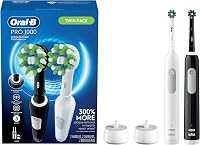
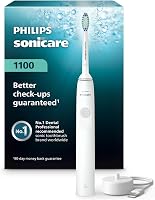
Types of Electric Toothbrushes Explained
The main types of electric toothbrushes are oscillating-rotating, sonic, and ultrasonic models, with rechargeable and battery-powered options across them. For most shoppers, the best starting point is the brushing motion, then pressure control, timer features, charging needs and replacement heads.
On this page (11 sections)
- What are the main types of electric toothbrushes?
- How does an oscillating-rotating brush work?
- How does a sonic toothbrush work?
- What is the difference between rechargeable and battery-powered brushes?
- Which electric toothbrush type is best for pressure control?
- How many brushing modes do you need?
- Which type works best for travel?
- How should you compare brush heads and replacement care?
- Which electric toothbrush type suits a budget-focused shopper?
- How do the 3 toothbrush types compare side by side?
- How should you choose among the types of electric toothbrushes?
The main types of electric toothbrushes are oscillating-rotating, sonic and ultrasonic, with rechargeable and battery-powered versions built around those motions. For most people, a rechargeable brush with a timer and pressure feedback is the clearest place to start.
The best type depends on how you like a brush to feel, how much control you want, and where you plan to use it. A small round head can suit tooth-by-tooth brushing, while a longer sonic head feels closer to a manual toothbrush.
We compared the motions and useful features, then matched them with 3 examples: Oral-B iO7, Sonicare 4100 and Aquasonic Black Series.
What are the main types of electric toothbrushes?
The main categories are oscillating-rotating, sonic and ultrasonic toothbrushes. Rechargeable and battery-powered handles describe how the brush gets power, not the brushing motion itself.
Oscillating-rotating toothbrushes
An oscillating-rotating brush uses a small round head that moves back and forth. You guide it from tooth to tooth instead of sweeping a long head across several teeth.
The Oral-B iO7 represents this category with a dentist-inspired round brush head and micro vibrations. It has 5 cleaning modes, an interactive display and a visible pressure sensor.
Sonic toothbrushes
A sonic toothbrush uses rapid side-to-side movement through an elongated head. The Sonicare 4100 uses Advanced Sonic Technology and a C2 Optimal Plaque brush head.
Its head shape feels familiar to anyone used to a manual toothbrush. The handle includes EasyStart, a 2-minute SmarTimer and QuadPacer prompts for 30-second mouth sections.
Ultrasonic and high-vibration labels
Some products use terms such as ultrasonic or high-vibration to describe fast brush movement. The Aquasonic Black Series is described with a 40,000 VPM motor, 4 modes, a smart timer and wireless charging.
Choose by the actual motion, head shape and controls, not by the label alone. The system must feel natural enough for daily use.
How does an oscillating-rotating brush work?
An oscillating-rotating brush works with a small round head that moves around each tooth. You place the head against a tooth area and move through the mouth in a steady pattern.
This approach favors deliberate coverage. Instead of making broad strokes, you work around the outer, inner and chewing surfaces in sections.
The Oral-B iO7 combines its round head with micro vibrations. Its 5 settings are Daily Clean, Sensitive, Whitening, Gum Care and Intense Clean.
The interactive display helps you select a mode, track brushing time, monitor battery level and receive a refill-head reminder. The app tracks where and how you brush in real time.
The visible pressure sensor signals whether you're brushing too hard, too softly or in the right range. Its 3H fast charger and charging travel case also support trips.
Who should choose this motion?
Pick an oscillating-rotating brush if you like a compact head and prefer to focus on individual teeth. It also suits shoppers who want several settings and visible handle feedback.
A round head can take more deliberate movement than a long head. If you prefer broad, familiar strokes, a sonic model may feel more natural.
Choose the Oral-B iO7 when individual-tooth control and detailed handle feedback matter most.
How does a sonic toothbrush work?
A sonic toothbrush works through rapid side-to-side movement along the gumline and between teeth. Its longer head resembles a manual toothbrush, so you can use familiar sections while the handle supplies the motion.
The Sonicare 4100 pairs Advanced Sonic Technology with a C2 Optimal Plaque brush head. Philips describes the head as having soft, flexible, stain-removal bristles.
The handle pulses fluid between teeth and along the gumline as part of its brushing action. Its pressure sensor gives a slight pulse when you press too hard.
EasyStart gradually increases power over the first 14 uses. SmarTimer signals when you've reached 2 minutes, while QuadPacer divides the routine into 4 sections of 30 seconds.
The replacement reminder tracks how often and how hard you brush, then signals when a new head is due. A full charge provides up to 14 days of regular brushing based on 2 two-minute sessions per day in standard mode.
Who should choose this motion?
Choose sonic if you want a longer head and a brushing pattern close to manual brushing. It also suits shoppers who want simple timing prompts and a gradual start.
The Sonicare 4100 includes 1 brush head and a USB charger, but the power adaptor is not included. Pick it for a familiar shape, clear timing support and gentle pressure feedback.
What is the difference between rechargeable and battery-powered brushes?
Rechargeable and battery-powered toothbrushes differ mainly in how you maintain power between uses. A rechargeable handle uses a charging base, cable or wireless charger, while a battery-powered handle relies on replaceable batteries.
Rechargeable models suit a fixed daily routine. You charge the handle, return it to its charger, and keep using the same motor and control system.
The products in this guide are rechargeable. The Oral-B iO7 includes a 3H fast charger and charging travel case.
The Sonicare 4100 uses a USB charger and provides up to 14 days of regular brushing.
The Aquasonic Black Series uses a lithium-ion battery and wireless charging. Its stated battery life is up to 4 full weeks when used for 2 minutes twice a day.
Battery-powered models can suit occasional use, a guest bathroom or travel where charging is inconvenient. Their appeal is simple replacement power, but you must keep suitable batteries available.
Choose rechargeable for daily use, then compare the charging method and battery duration. Choose battery power when simple portable use matters more than a charging routine.
Which electric toothbrush type is best for pressure control?
The best type for pressure control is the one with a signal you can notice while brushing. Pressure sensors vary in how they communicate, so compare the signal with the way you brush.
The Oral-B iO7 has a visible pressure sensor that signals when pressure is too hard, too soft or just right. Its display adds another layer of feedback.
The Sonicare 4100 pulses slightly when you press too hard. The Aquasonic Black Series includes a smart vibrating notification timer, but its product information does not describe a separate pressure signal.
Oral-B iO7 for visible pressure guidance
The iO7 suits people who want pressure information shown on the handle. Its display also supports mode selection, brushing-time tracking, battery monitoring and refill-head reminders.
Sonicare 4100 for a simple pressure cue
The Sonicare 4100 suits people who want a less visual prompt. The slight pulse tells you to ease off, while the timer features keep the routine simple.
Choose the signal you'll respond to without interrupting your routine. For more options centered on pressure feedback, compare an electric toothbrush with a pressure sensor.
How many brushing modes do you need?
Most shoppers need one dependable daily mode, while extra modes help when they match a clear preference. More settings are useful when you know why you would switch between them.
The Oral-B iO7 has 5 settings: Daily Clean, Sensitive, Whitening, Gum Care and Intense Clean. The Aquasonic Black Series has 4 modes, including options for whitening and polishing and improving gum health.
The Sonicare 4100 keeps the control set focused. Its support comes from EasyStart, SmarTimer, QuadPacer, pressure feedback and the brush head reminder.
Pick modes for a real routine
A Daily Clean mode can serve as your default. A Sensitive setting can suit a gentler feel, while a Whitening mode can suit shoppers who want a polishing-focused option.
Avoid choosing a brush only because its mode count is higher. A setting adds value when you can identify when you'll use it.
Compare the 3 examples
| Brush | Motion or motor description | Modes | Timing or pressure support |
|---|---|---|---|
| Oral-B iO7 | Round brush head with micro vibrations | 5 | Visible pressure sensor, display and app |
| Sonicare 4100 | Advanced Sonic Technology | Not stated as a mode count | Pressure pulse, SmarTimer and QuadPacer |
| Aquasonic Black Series | 40,000 VPM motor | 4 | Smart vibration timer |
Pick the Oral-B iO7 for the widest named mode range, the Aquasonic Black Series for 4 modes with wireless charging, or the Sonicare 4100 for focused daily controls.
Which type works best for travel?
The best travel toothbrush is a rechargeable model with a suitable case and a charging method you can carry easily. Battery duration matters because it determines how often you need to pack a charger.
The Oral-B iO7 includes a charging travel case and a 3H fast charger. The Aquasonic Black Series includes a hard-shell travel case with space for 2 brush heads, uses wireless charging and can last up to 4 full weeks.
The Sonicare 4100 provides up to 14 days of regular brushing on a full charge. Its set includes a USB charger, but the power adaptor is not included.
A case protects the handle and brush heads from loose items in a toiletry bag. Extra brush heads also affect how much space the system takes.
The Aquasonic includes 8 DuPont brush heads and a travel case. That is useful for long-term head storage, but it means more pieces to organize.
If you travel with a single brush and charger, the Sonicare 4100 keeps the set simple. If wireless charging and a hard case matter most, the Aquasonic has the stronger travel setup among these examples.
Choose the Aquasonic Black Series for long charge life and wireless travel charging. For a wider set of travel-friendly choices, see our guide to an electric toothbrush for seniors, which also considers simple handling and routine support.
How should you compare brush heads and replacement care?
Compare brush heads by shape, included quantity, replacement reminders and ease of organization. The handle matters, but the head is the part you place in your mouth twice a day.
The Oral-B iO7 includes 2 brush heads and tracks when a refill head should be replaced. Its display shows the reminder alongside brushing time and battery information.
The Sonicare 4100 includes 1 C2 Optimal Plaque brush head. Its replacement reminder tracks brushing frequency and pressure, then notifies you when a new head is due.
The Aquasonic Black Series includes 8 DuPont engineered brush heads. The product information says each head lasts 3–4 months, with the included quantity covering about 2.5 years.
A larger head supply reduces separate replacement purchases during the included period, but it also creates a storage question. A reminder can make replacement easier by connecting the task to your usual routine.
Do not mix brush heads across systems simply because they look similar. The Oral-B round-head and Sonicare elongated-head systems are separate families, while Aquasonic heads belong to that brush system.
Pick the Aquasonic Black Series for the largest included head supply. Pick Sonicare 4100 for a simple one-head starting set, or Oral-B iO7 for a round head with display-based replacement prompts.
Which electric toothbrush type suits a budget-focused shopper?
A budget-focused shopper should compare the useful features included with the handle, not only the number of modes. A good fit should cover the features you will actually use.
The Sonicare 4100 has sonic cleaning, a pressure sensor, EasyStart, SmarTimer, QuadPacer and a brush head replacement reminder. Its set has 1 brush head and a USB charger.
The Aquasonic Black Series combines 4 modes, a 40,000 VPM motor, wireless charging, a smart timer, a travel case and 8 brush heads. The Oral-B iO7 adds 5 cleaning modes, an interactive display, a visible pressure sensor, app tracking, a charging travel case, a 3H fast charger and 2 brush heads.
The right value depends on your routine. A display is useful if you want visible prompts, while wireless charging helps if you prefer a base over a USB cable.
The number of included heads also changes the ownership routine. Eight heads give the Aquasonic a different kind of value from the Sonicare's focused starter set.
If your main goal is to spend less while keeping a pressure sensor and timer, compare an electric toothbrush under 100 and weigh the included charging and head supplies.
Choose the Sonicare 4100 for a focused daily setup, Aquasonic for accessories and head quantity, or Oral-B iO7 for display-led controls.
How do the 3 toothbrush types compare side by side?
The Oral-B iO7 combines a round head, 5 modes, visible pressure feedback, display guidance, app tracking and travel charging. The Sonicare 4100 is the simpler sonic choice, while the Aquasonic Black Series stands out for wireless charging and included heads.
| Product | Brush style | Modes | Pressure or timing | Charging and travel |
|---|---|---|---|---|
| Oral-B iO7 | Round head with micro vibrations | 5 | Visible pressure sensor, display, app | 3H charger and charging travel case |
| Sonicare 4100 | Sonic technology with elongated C2 head | Focused controls | Pressure pulse, SmarTimer, QuadPacer | USB charger, up to 14 days |
| Aquasonic Black Series | 40,000 VPM motor | 4 | Smart vibration timer | Wireless charging, up to 4 weeks, hard case |
Oral-B iO7: best for detailed feedback
The Oral-B iO7 gives the broadest control system in this group. The app, display and pressure sensor support a more guided routine.
Its travel case charges the brush, and the included 2 brush heads make the starting set more complete than the Sonicare 4100 package.
Sonicare 4100: best for a familiar sonic feel
The Sonicare 4100 is the better choice when you want fewer decisions and a shape close to manual brushing. EasyStart gives new users a gradual path into powered brushing.
Its up-to-14-day battery life supports regular travel, though the included USB charger does not include a power adaptor.
Aquasonic Black Series: best for included heads
The Aquasonic Black Series suits shoppers who value accessories and replacement-head supply. Its 4-week charge life also helps frequent travelers.
Choose Oral-B iO7 for the most guided routine, Sonicare 4100 for straightforward sonic brushing, or Aquasonic Black Series for wireless charging and included heads.
How should you choose among the types of electric toothbrushes?
Choose among the types of electric toothbrushes by matching motion, feedback, charging and replacement care to your daily habits. The best brush is the one whose controls make your routine easier to follow.
Pick oscillating-rotating if a small round head and tooth-by-tooth movement feel right. The Oral-B iO7 adds 5 modes, visible pressure feedback, a display and app tracking.
Pick sonic if you prefer a longer head and a manual-like brushing pattern. The Sonicare 4100 adds EasyStart, pressure feedback, SmarTimer, QuadPacer and up to 14 days of regular brushing per charge.
Pick a high-vibration model with wireless charging if included heads and travel accessories rank high. The Aquasonic Black Series includes 8 brush heads, a hard case, 4 modes and up to 4 weeks of battery life.
The strongest overall choice in this guide is the Oral-B iO7 because its round head, 5 settings, visible sensor and display cover the widest range of guided brushing needs. It also includes a charging travel case and 2 brush heads.
Choose Oral-B iO7 for the most complete guided system. Choose Sonicare 4100 for a focused sonic routine, or Aquasonic Black Series for wireless charging, long battery life and a large head supply.
Frequently asked questions
Which electric toothbrush type is easiest to use?
A rechargeable electric toothbrush with a built-in timer and pressure sensor is the easiest starting point for many people. Oscillating-rotating and sonic models can both support a consistent routine, so choose the handle whose brush motion, controls and replacement heads fit your preferences.
Are sonic and oscillating toothbrushes the same?
No. Sonic toothbrushes use fast side-to-side vibrations, while oscillating-rotating brushes use a round head that moves back and forth around individual teeth.
Both are powered toothbrush types, but the brushing feel and head shape are different.
Do electric toothbrushes need replaceable brush heads?
Yes. Replaceable heads keep the bristles in usable condition and let you fit a new head without replacing the handle.
Choose a system with heads that are easy for you to find and that match the handle family.
Is a rechargeable toothbrush better for travel?
A rechargeable toothbrush is better for frequent use if you want one handle and a predictable charging routine, while a battery-powered model can suit occasional travel or places without convenient charging. A travel case and charging method matter as much as the brushing motion.
What electric toothbrush features help with brushing too hard?
A pressure sensor gives a direct reminder when you press too firmly. Some models use a pulse, display or light, while others slow or change their signal.
Pick a feature you can notice without breaking your brushing rhythm.